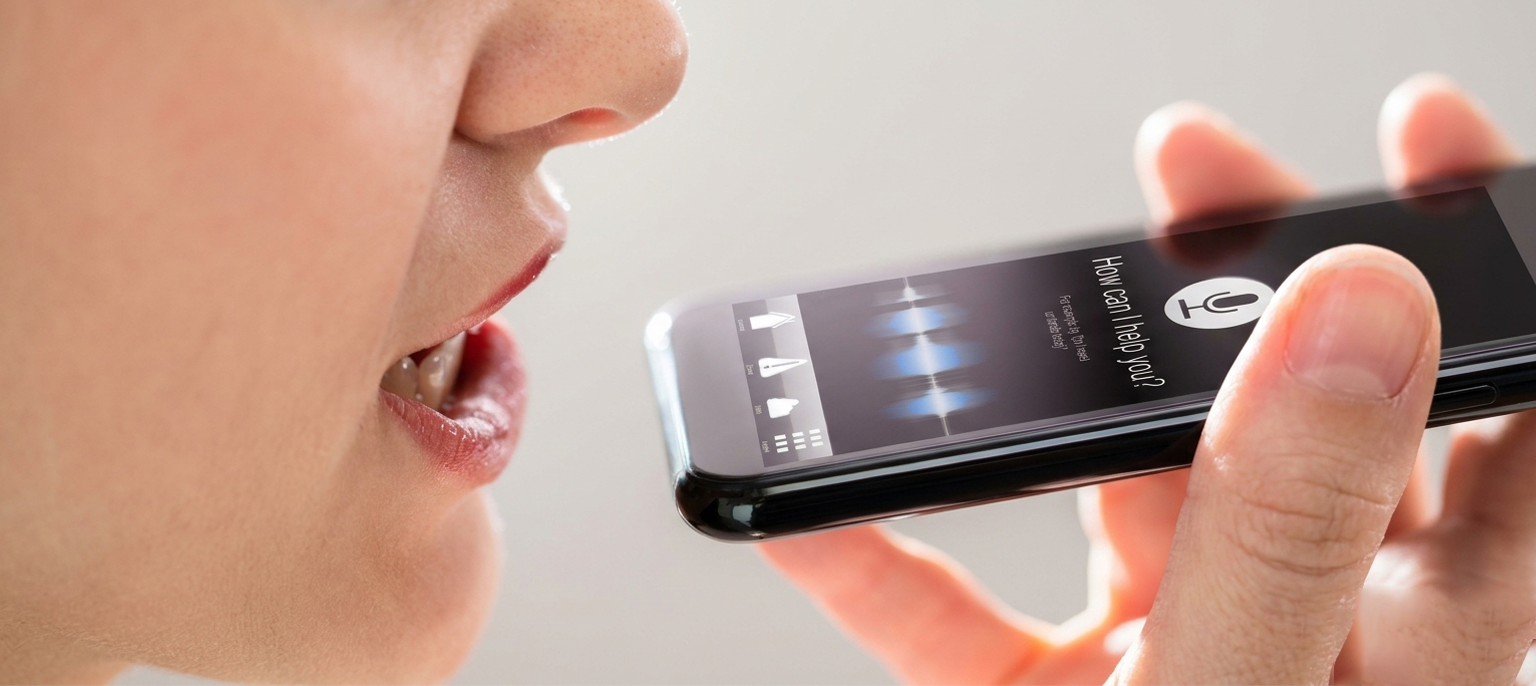
It’s the question dividing the audio industry. On one side: creators producing hours of voiced content a week at near-zero marginal cost. On the other: professional voice actors, 21% of whom say they’ve already knowingly lost a job to a synthetic voice. Both sides are telling the truth. The honest answer to “can AI voice cloning replace hiring voice actors?” is: for some jobs, it already has. For others, it shouldn’t, and for the rest, the future is a hybrid nobody predicted five years ago.
The Cost Math, Stated Plainly
Go to the cost of employing a human in 2026. The cost of a professional voice-over ranges from $100 to $400 for a short, non-broadcast project, $250 to $3,000 for a commercial (including usage license), and $0.10 to $0.35 per word for e-learning narration. Audiobooks are $150 to $350 per completed hour, and explainer videos $250 to $500 apiece. The average rate on freelance sites is $40 to $85 per hour.
Where Voice Cloning Already Wins
Volume
If you have a need for a voice-over for your YouTube channel every day, that’s what you need. A clone can do this in minutes, forever, without needing to hire an actor for every individual video, and it can be done in the same voice.
Revisions
Make one edit to the script and the human session is over; you’re paying for pickups, scheduling, and turnaround. With a clone, you duplicate the paragraph. You are free to make bolder edits, as iteration is no longer restricted.
Multilingual Reach
Pyxa’s Voice Clone is available in 100+ languages, and gets its voice identity from each language. “5 languages” implies “5 castings”, “5 sessions” and “5 invoices”. The clone does it in the afternoon.
Consistency
A brand tone that is the same in video 1 and video 400. A clone doesn’t drift with colds, moods, and years like a human voice does.
Prototyping
Listen to the script before committing budget. These days, many producers try a different approach and prototype with a clone and reserve the human for the final; the rehearsal room, not the stage, is a new job for cloning.
Where Human Actors Still Win, Decisively
Emotional performance. Grief, menace, warmth, comic timing, the full dramatic register. AI voices have closed the gap on clear narration; they have not closed it on acting.
Character work. Animation, games, and branded characters need interpretation, not pronunciation. A clone reads the line; an actor finds the person saying it.
Brand-defining voices. The voice of a national campaign is the brand. Companies pay premiums precisely because a distinctive human performance can’t be replicated, and audiences bond with people, not waveforms.
Trust-critical audio. Medical explainers, financial guidance, crisis communication, contexts where a listener’s trust depends on sensing a real human behind the words.
The industry’s own data backs this split. In the National Association of Voice Actors’ 2026 survey, the jobs actors report losing to synthetic voices cluster in the lower-budget, high-volume tiers, while only 13% of actors have willingly created a synthetic version of their voice; 53% say they’d be open to it being done ethically in the future. The profession isn’t being erased. It’s being stratified.
The Ethics Layer: Consent, Compensation, Control
The Hybrid Future Nobody Predicted
Where Pyxa AI Fits
Pyxa’s Voice & Audio Studio was built for the tiers where cloning wins. Its AI Voiceover tool turns scripts into expressive narrated audio with adjustable tone, pacing, and style. Its Voice Clone builds a reusable voice profile from a short sample — ready in about 30 seconds — with 100+ languages and 150+ voice framework templates behind it. Your voice, cloned once, narrating in every language your audience speaks.
The Bottom Line
Frequently Asked Questions
Can AI voice cloning fully replace hiring voice actors?
The economics are overwhelming for high-volume narration, e-learning, YouTube voiceovers, multi-language versions, and iterative content- yes. Human actors, on the other hand, are still a cut above in emotional performance, character acting, and defining brand campaigns.
How much does AI voice cloning cost compared to a voice actor?
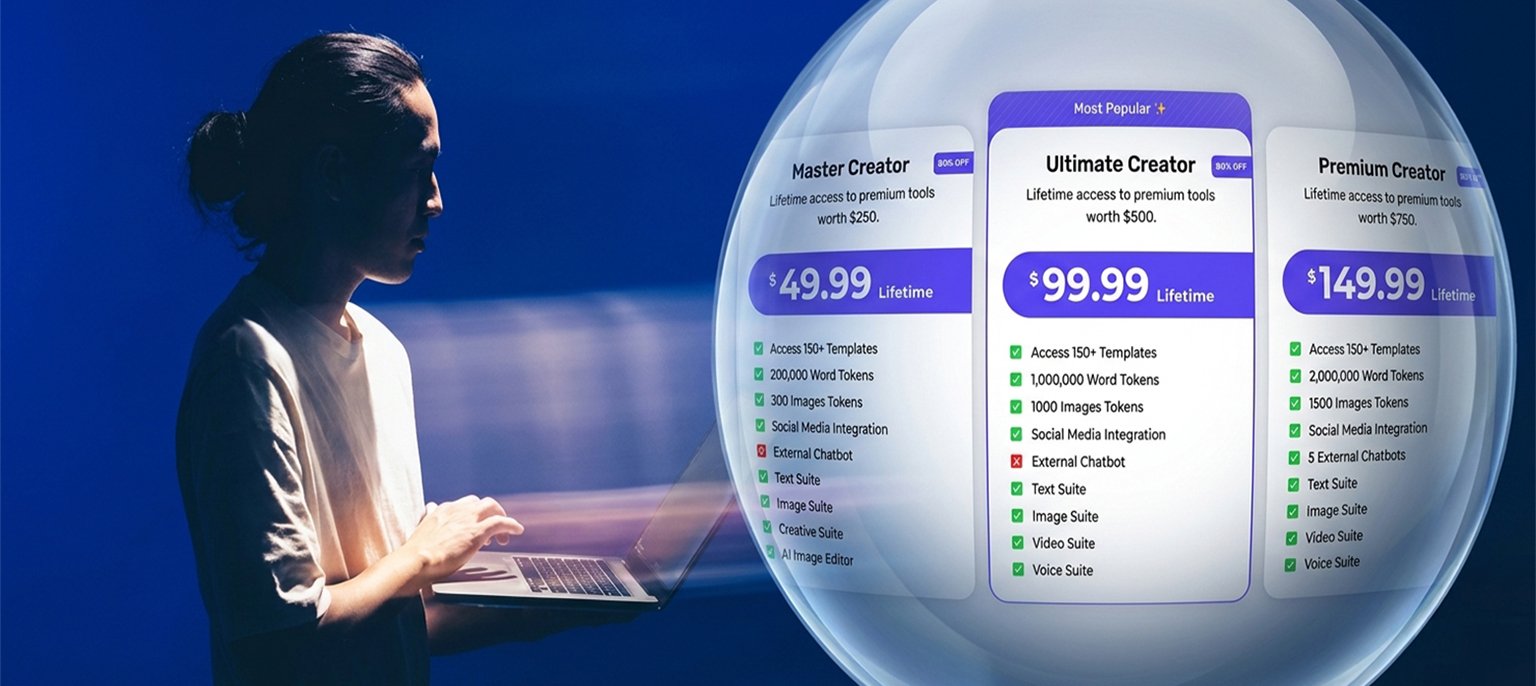
A human voiceover provider ranges between $100 and $400 for short clips and $3000+ for commercials with usage, and $0-$30 per project on a subscription, with AI voiceover provider, Pyxa AI, costs are effectively $0 per project within the platform’s $49.99 lifetime subscription.
Is it legal to clone someone's voice?
Only with consent. Informed consent, disclosure, and remuneration for AI digital replicas are key points of SAG-AFTRA’s agreements, and movements such as Save Our Voices Now advocate for additional legal safeguards. Use your own voice or licensed voices, not a recognizable voice without permission.
Do voice actors support AI voice cloning at all?
Many do, ethically: 53% of surveyed actors report that they would be willing to have an ethically made synthetic version of their voice in the future, and the industry framework explicitly states that actors can consent to and receive compensation from having their voice licensed.
What jobs are voice actors actually losing to AI?
Lower budget, high-volume projects: online ads, YouTube narration, educational projects, budget book narration. When it comes to premium performance work, such as characters, emotional acting, and major campaigns, it’s still human turf.