 Comparison · 2026
Nano Banana vs Midjourney: Which Image Model Wins for Each Job?
- Nano Banana is Google's Gemini image model; Google highlights photo editing, character consistency and legible text.
- Midjourney is the pick for stylized, art-directed images made from a prompt.
- Photorealism is a near tie, so test both on your own subject.
- Pyxa names both Midjourney and Nano Banana 2.1 with AI image editing, for a one-time payment.
The short verdict
Nano Banana vs Midjourney comes down to the job. Nano Banana, Google's Gemini image model, is the stronger pick for editing an existing photo, keeping a person recognizable across images and putting legible text in a picture. Midjourney is the pick when you want a distinctive, polished look from a text prompt alone.
- Photorealism: close call, test both on your subject.
- Editing a photo: Nano Banana.
- Character consistency: Nano Banana, based on what Google documents.
- Text in images: Nano Banana.
- Style and mood: Midjourney, in our judgment.
- Price and access: depends on how you work; see below.
If you do not want to choose, the last section shows how to use both from one dashboard. For a wider view, see our guide to the best AI image generator.
What you are comparing
Nano Banana is the name of Google's image generation and editing model inside Gemini. Google later released Nano Banana Pro, which it describes as its model for images with legible text and finer editing control. Nano Banana lives in Google's ecosystem: the Gemini app, Google AI Studio, the Gemini API and Vertex AI.
Midjourney is an independent image generator that you use through its own site and Discord. It is subscription-based and built around generating and refining images from prompts.
The search "gemini image vs midjourney" is the same comparison, since Nano Banana is Gemini's image model. Both are strong. They are built around different habits: Nano Banana around conversation and editing, Midjourney around prompt-to-image craft.
Photorealism
For photorealism there is no clean winner, and anyone who claims one is overselling. Results depend on the subject: portraits, products, interiors and food each favor different models, and both get updated often.
What we can say is how they behave. Nano Banana tends to be treated as a practical tool: you describe the scene, then adjust it in follow-up messages. Midjourney tends to be chosen when people want a finished, art-directed look. Both can produce photo-like images.
Verdict: tie. Run the same five prompts through both and judge on your own subject matter. Do not pick on one gallery.
Editing an existing photo
This is the clearest Nano Banana win, and the reason it went viral. Google's announcement describes changing specific parts of an image while keeping the rest, for example adding walls to an empty room and then furniture in later steps. It also lets you upload several photos and blend them into a new scene.
Nano Banana Pro adds more. Google's post lists localized editing (select, refine and transform any part of an image), camera angle changes, focus changes, color grading and day-to-night lighting shifts.
That workflow is what people mean when they search for the best AI image model for editing: you start from a real photo and change one thing. Midjourney is mainly a generator. You can iterate on a result, but it is not built around "keep this photo and swap the background."
Verdict: Nano Banana.
Character consistency
Google says the Nano Banana update focuses on "maintaining a character's likeness from one image to the next," so a person or pet keeps their look in new scenes. For Nano Banana Pro, Google says it can combine up to 14 input images and keep the consistency and resemblance of up to 5 people.
Midjourney offers reference options for keeping a subject or style steady across images, but we could not confirm the current details on its official pages today, so test it on your own character before committing a project to it.
Verdict: Nano Banana, on the strength of what Google documents. If you build a recurring mascot or brand character, run a small test on each first.
Text in images
Google calls Nano Banana Pro "the best model for creating images with correctly rendered and legible text," for short taglines and long paragraphs, in multiple languages. That is Google's own claim, so treat it as a strong signal rather than a guarantee.
Posters, social graphics, menus and mockups depend on this. If your images need readable words, start with Nano Banana. If text is only a small detail, you can add it in an editor afterward with either model.
Verdict: Nano Banana.
Style and creative direction
Here Midjourney keeps its reputation. People choose it for concept art, album covers, fantasy scenes and stylized brand imagery, where the mood matters more than literal accuracy. Taste is subjective, so this verdict is our judgment, not a measured result.
Nano Banana follows instructions closely and is good at making what you asked for. Midjourney is better known for making something you did not know to ask for.
Verdict: Midjourney for style exploration.
Price and access
The two are sold very differently. Nano Banana is reached through Google's products. In the Gemini app, Google says free users get limited quotas of Nano Banana Pro before reverting to the original Nano Banana, and heavier use sits in paid Google tiers and the developer products. Check Google's current plans for exact limits.
Midjourney is a paid subscription with several monthly tiers. When we last checked its official plans page on 2026-11-23, plans started at $10 a month, and we could not reload the page today, so confirm current pricing before you subscribe. Our detailed breakdown is in Midjourney pricing, and is Midjourney worth it covers who should pay.
Verdict: Nano Banana is easier to try for free; Midjourney is a committed subscription. Neither wins outright.
Using both inside Pyxa
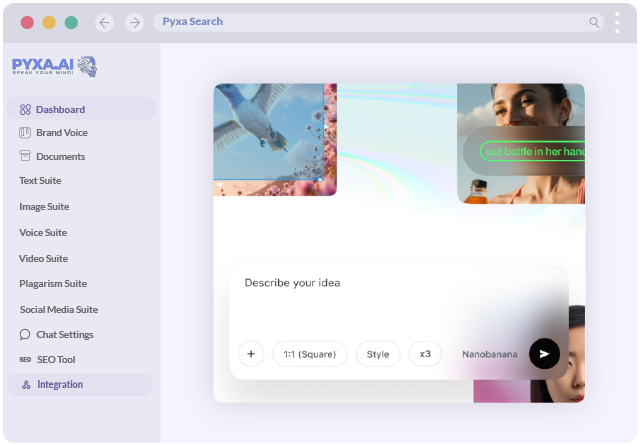
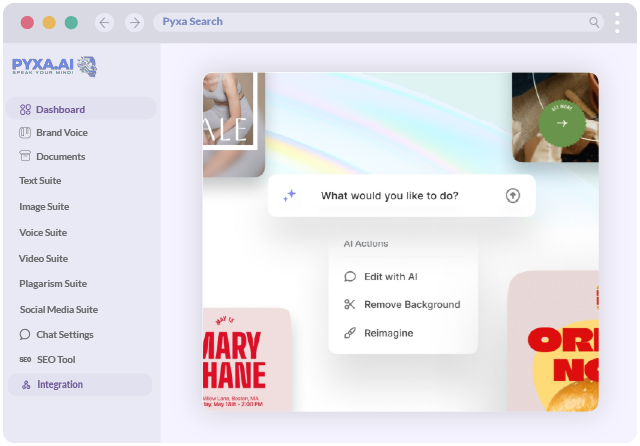
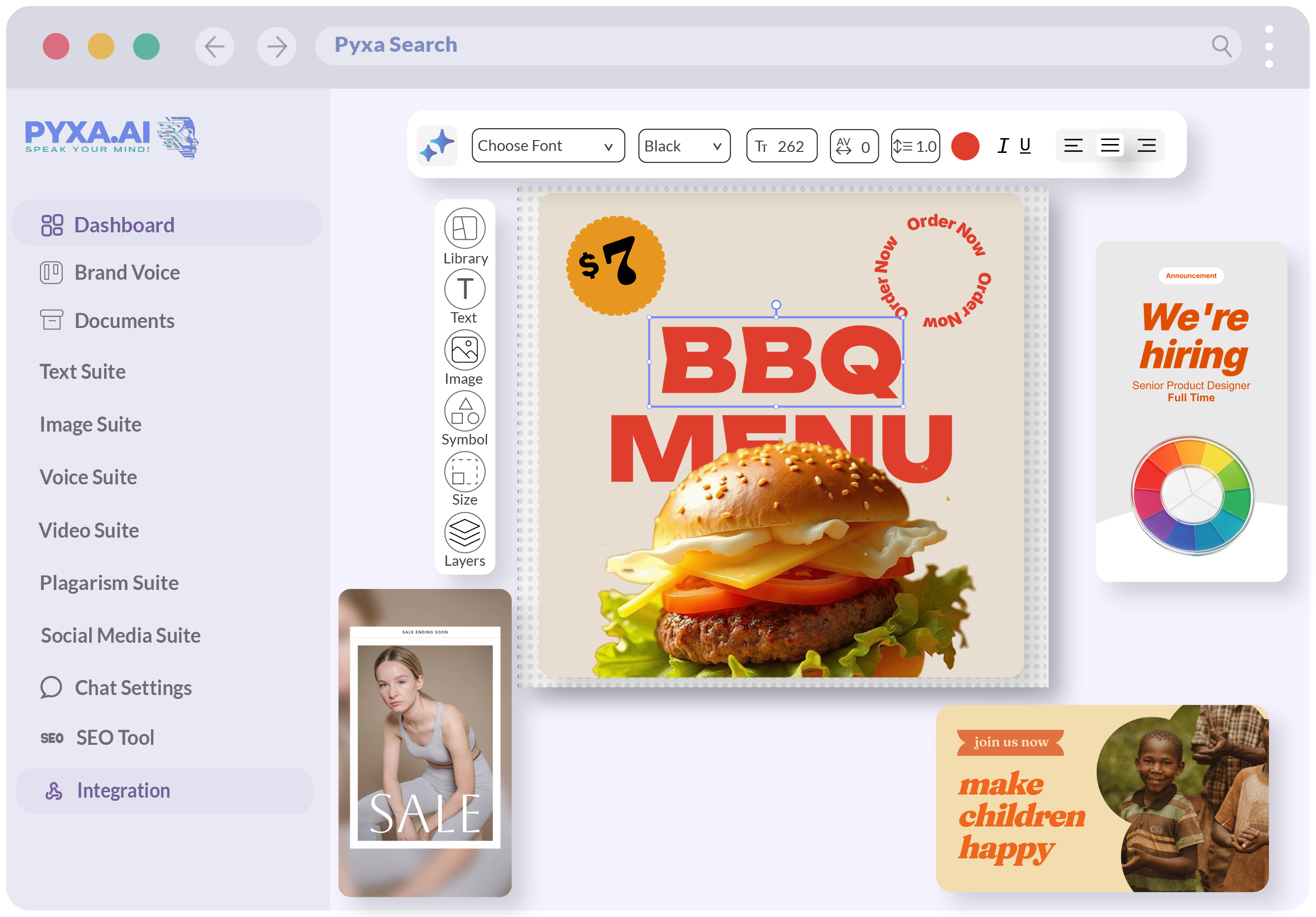
You do not have to pick one. Pyxa lists both Midjourney and Nano Banana 2.1 among its image models, next to GPT Image, Imagen 4, Ideogram and Flux Schnell, and lets you switch models with one click. It also includes AI image editing: remove backgrounds in one click, enhance, refine and adjust composition.
In practice, that means you can generate a stylized concept with Midjourney, then run a photo through Nano Banana, all from one dashboard. See the AI image generator and the advanced image editor, or browse all models in Pyxa.
Pyxa is a one-time payment with lifetime access and a 7-day money-back guarantee, and new models are added to your plan at no extra cost. Pyxa is an independent platform and is not affiliated with Google or Midjourney. If Midjourney's monthly bill is the sticking point, read our Midjourney alternative guide.
Ultimate Creator is $99.99 once and is the plan most people pick. Master Creator is $49.99 and Premium Creator is $149.99.
One dashboard instead of five subscriptions
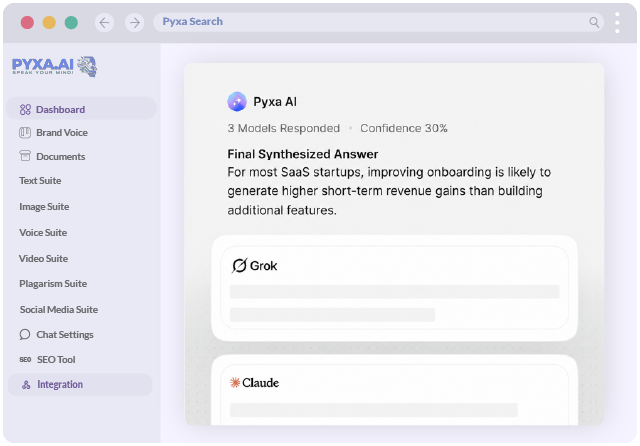
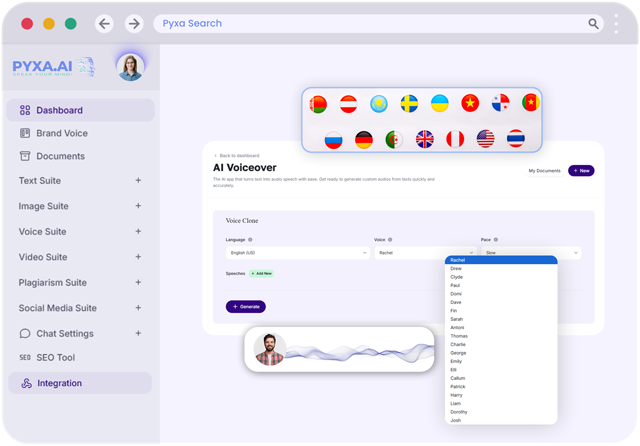
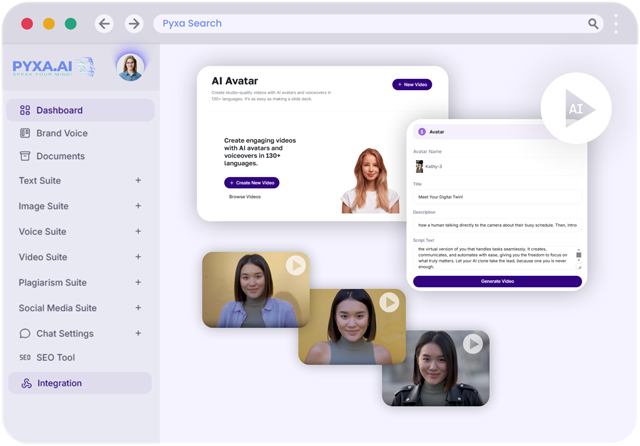
Real screens from the Pyxa app. Pick a feature to see it.
 Lifetime pricing
Pay once. Keep it for life.
No monthly fees, no daily caps, no API keys. New models are added to your plan at no extra cost.
Master Creator
- Text, image, video & voice suites
- AI image editor & creative suite
- 1 external chatbot + training
- 1 Social Media Agent · 2 Skills
- WordPress integration & SEO tools
- Standard support
Ultimate Creator
- Everything in Master Creator
- 2 Social Media Agents
- 3 Skills
- AI model selection & brand voice
- Premium support
Premium Creator
- Everything in Ultimate Creator
- 5 external chatbots
- 5 Social Media Agents
- 5 Skills
- Premium support
Questions people ask
Still unsure? Every plan has a 7-day money-back guarantee.
Is Nano Banana better than Midjourney?
What is Nano Banana?
Is Nano Banana Pro better than Midjourney for text in images?
What is the best AI image model for editing?
Is Gemini image the same as Nano Banana?
Can I use Midjourney and Nano Banana together?
Is Midjourney free?
Use Midjourney and Nano Banana for one payment
Pyxa Ultimate is $99.99 once with lifetime access and a 7-day money-back guarantee.